
Rotores de Caçamba Giratória
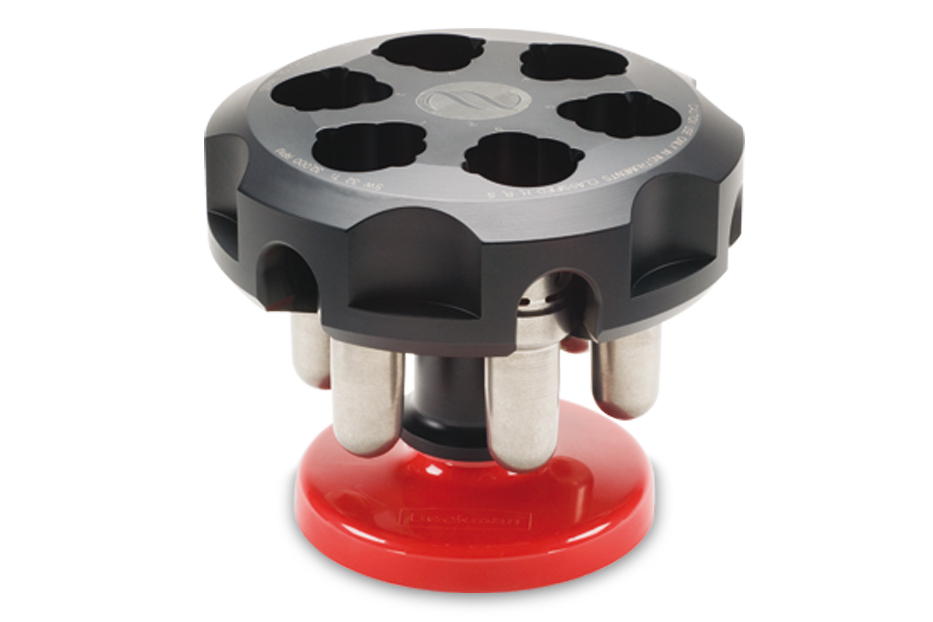
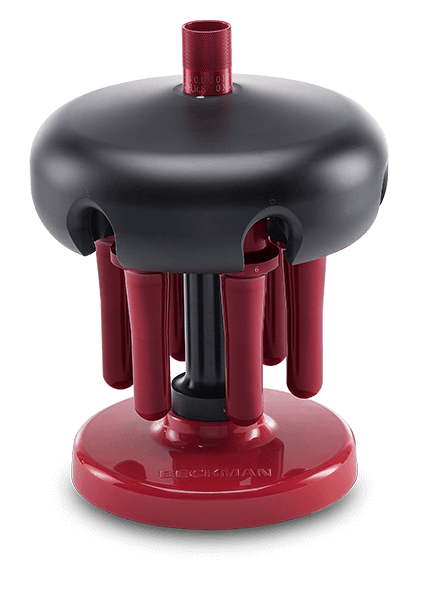
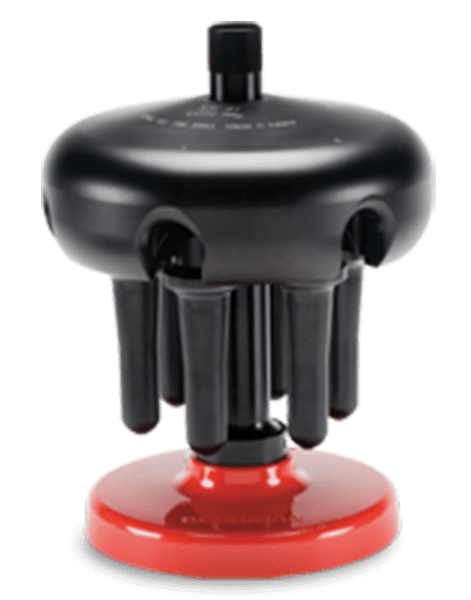
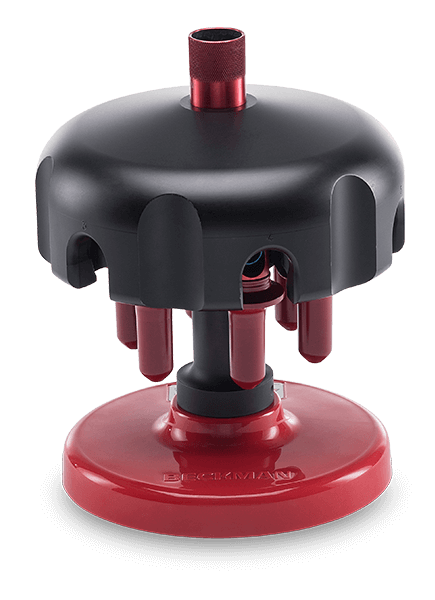
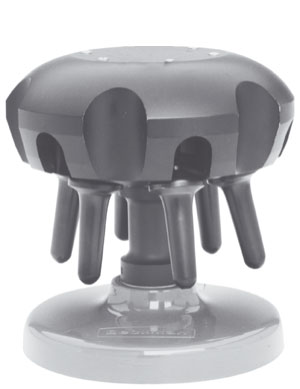
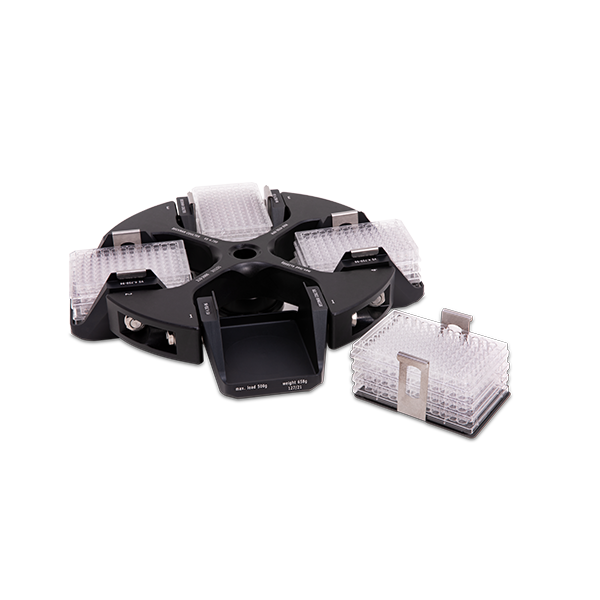
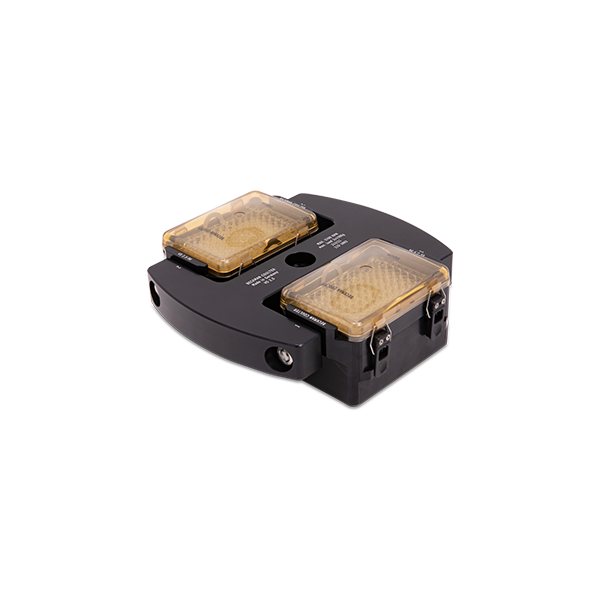
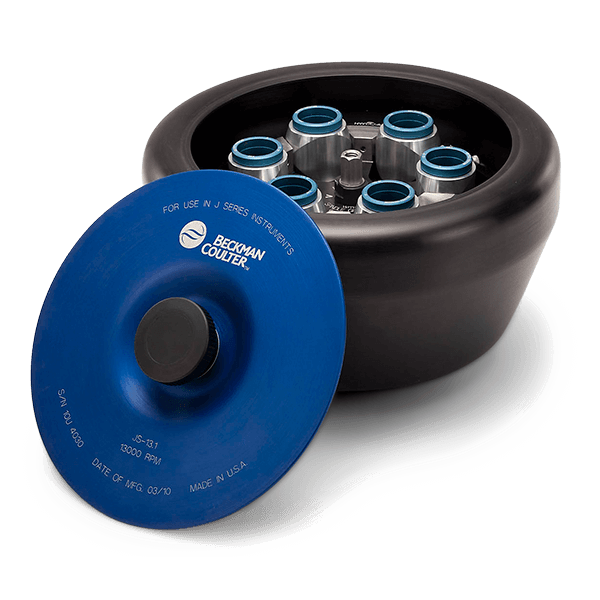
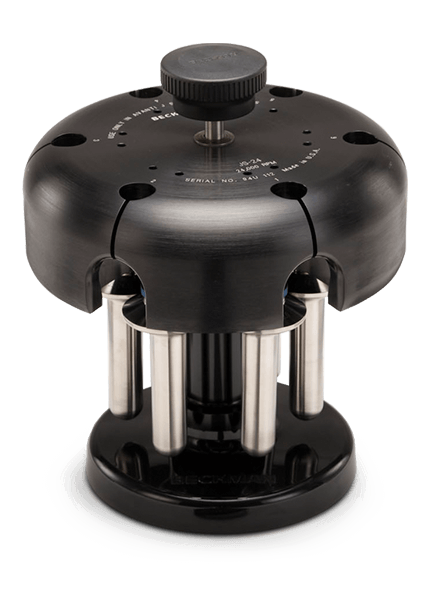
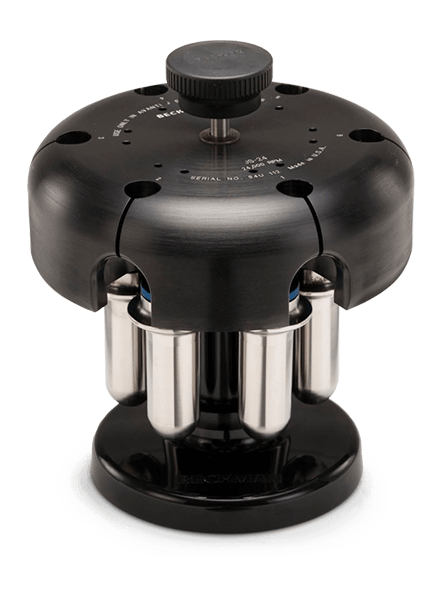
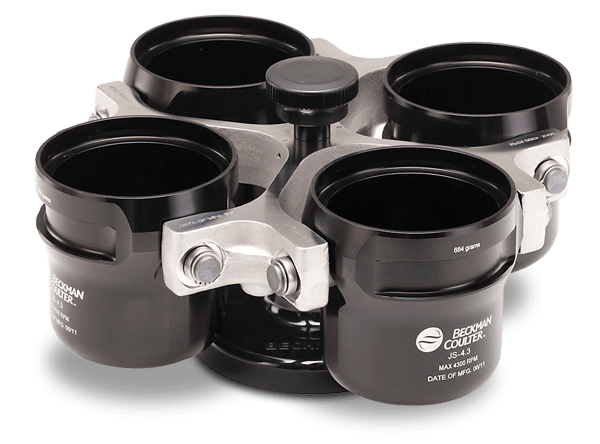
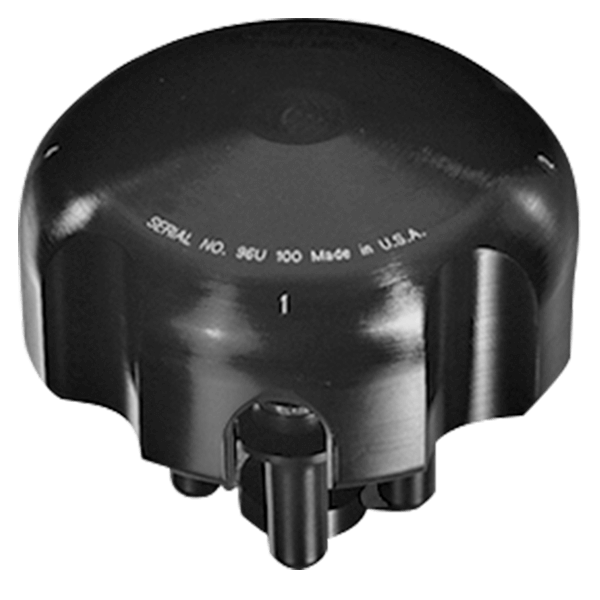
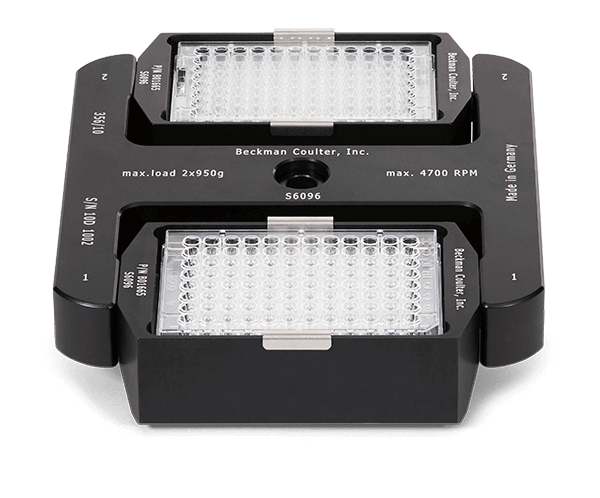
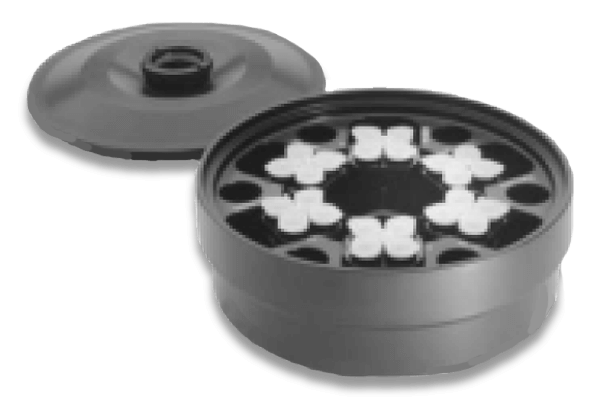
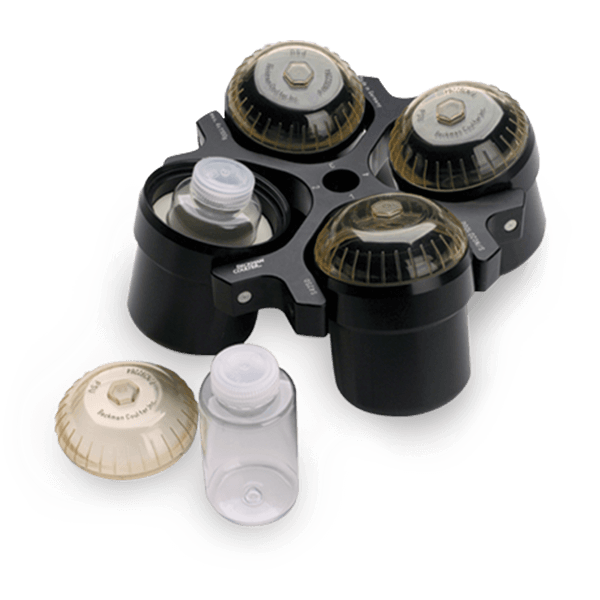
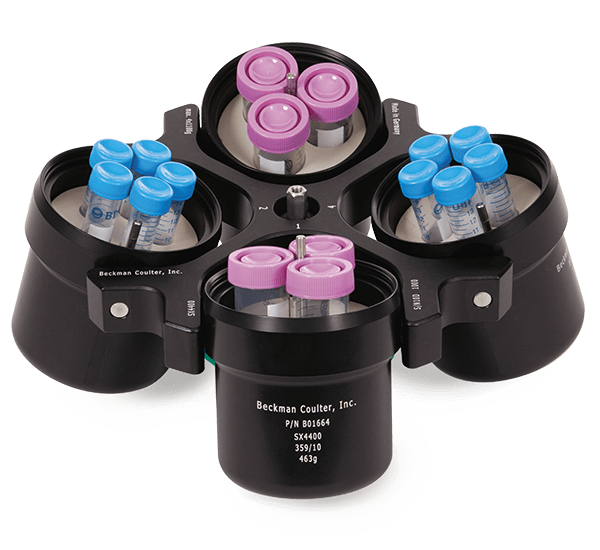
Rotores de centrífuga de caçamba giratória apresentam comprimento de trajetória completo, tempo de execução lento e resolução excelente.
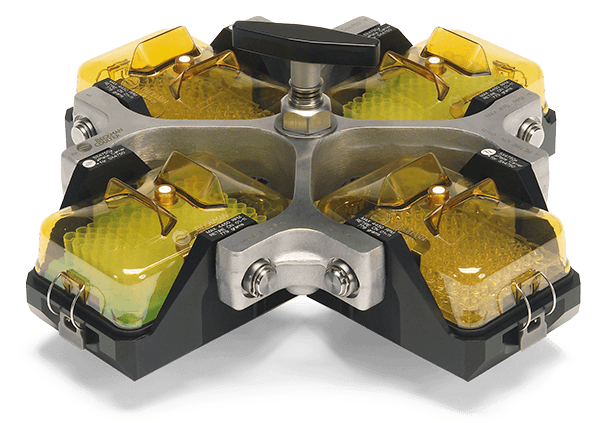
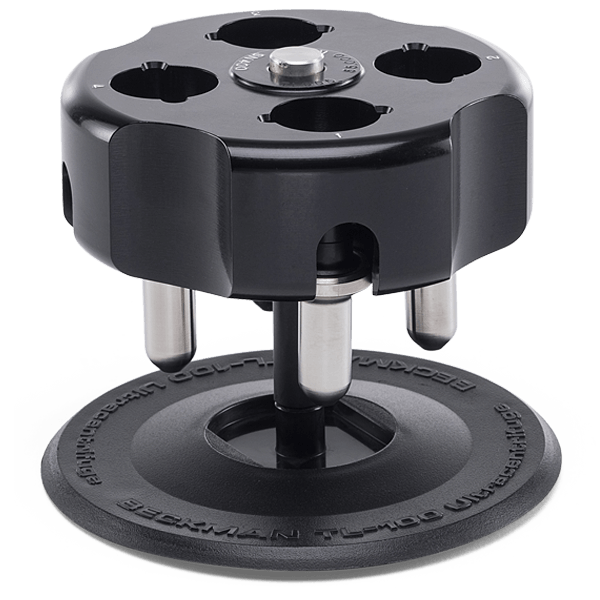
O rotor de caçamba giratória permite que o tubo mude de ângulo durante a execução. As caçambas permanecem na vertical no modo repouso e na horizontal durante a execução. A geometria paralela das caçambas giratórias permite que a amostra se desloque através dos gradientes de densidade sem interrupção, ao contrário da geometria de ângulo fixo, na qual a amostra atinge a parede e se espalha, o qual pode comprometer a separação.
Ideais para separar amostras de grande volume a baixas velocidades, são particularmente úteis quando as amostras devem ser resolvidas em gradientes de fluxo zonal (densidade). As aplicações incluem processamento de cultura de tecidos, protocolos de alta taxa de transferência, tais como coleta de células inteiras de cultura, processamento de tubos de coleta de sangue e meios de separação por fluxo zonal (isto é, com base em tamanho ou massa).














FAQ on Swinging-Bucket Rotors
Why use a swinging-bucket rotor for density gradient centrifugation?
Density gradient centrifugation requires samples to separate into distinct layers based on density. Because swinging-bucket rotors position tubes horizontally during operation, they help create uniform gradients and well-defined sample bands, making them a preferred choice for many gradient-based separation workflows.
What applications are swinging-bucket rotors commonly used for?
Swinging-bucket rotors are frequently used for density gradient centrifugation, blood processing, bioprocessing workflows, and when highly purified samples are required . They are often selected when maintaining sample integrity and achieving high separation quality are important.
How does a swinging-bucket rotor work?
In a swinging-bucket rotor, sample tubes begin in a vertical position and gradually move to a horizontal position during centrifugation. This orientation allows particles to travel evenly through the sample, making swinging-bucket rotors especially suitable for density gradient separations and applications that require distinct sample layers.
What is the difference between a swinging-bucket rotor and a fixed-angle rotor?
A swinging-bucket rotor holds samples horizontally during centrifugation, making it well suited for density gradient separations and applications that require well-defined sample layers. They can also be used for pelleting and result in the pellet forming at the very bottom of the tube. A fixed-angle rotor keeps tubes at a constant angle and is typically preferred for rapid pelleting applications. The best choice depends on the separation objective and sample type.
What is a swinging-bucket rotor?
A swinging-bucket rotor is a centrifuge rotor that allows sample buckets to pivot during centrifugation. As rotational speed increases, the buckets swing outward into a horizontal position, creating a consistent linear sedimentation path that supports efficient sample separation.
